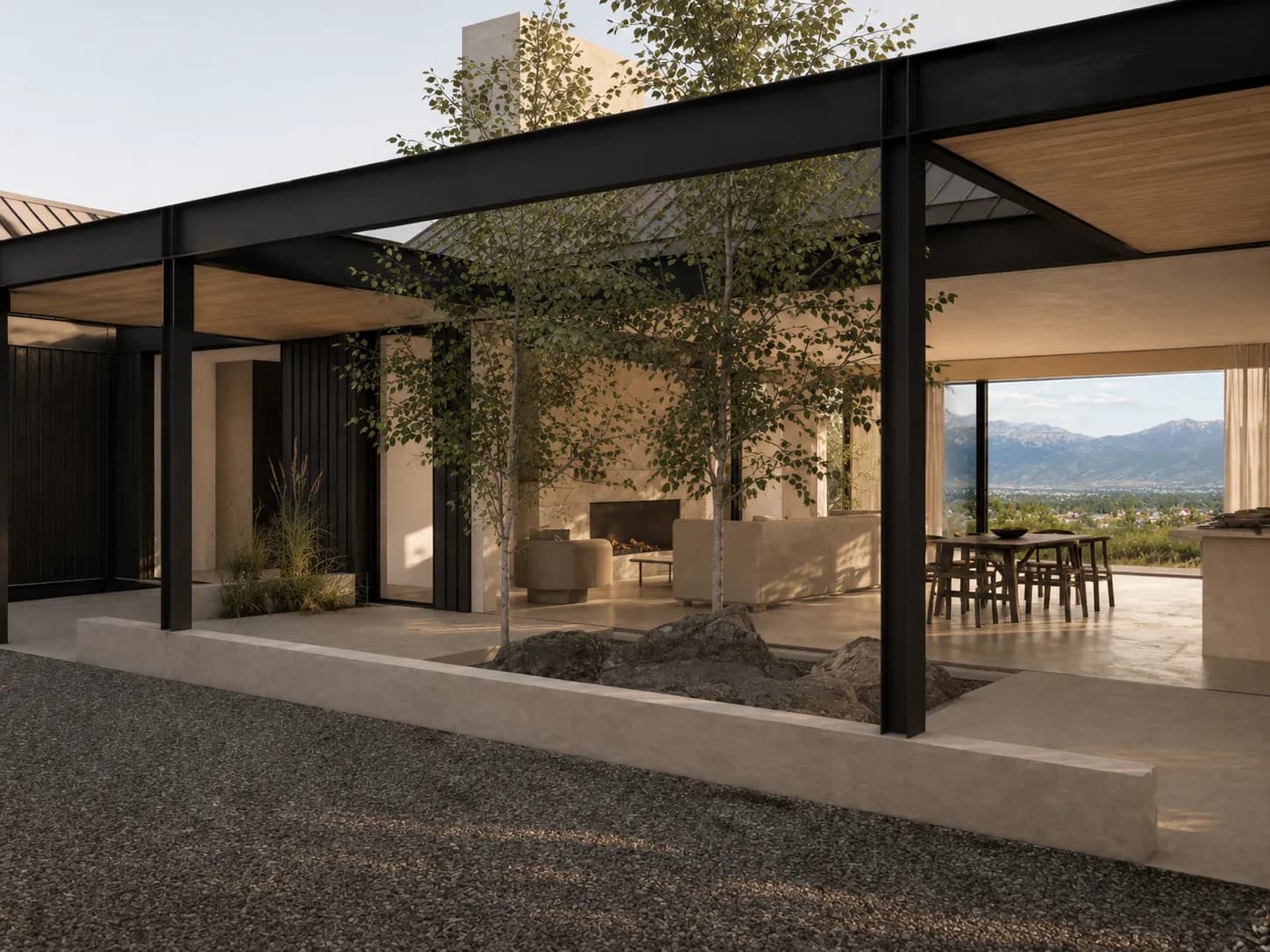
The back office for architecture studios
Grow the work, not the headcount. March handles everything but the design.
Four jobs stand between you and the architecture.
Over fifty years the architect got squeezed down to drawing the picture, while everyone else priced it, scheduled it and ran it. Whoever designs the building now holds everything needed to do all of that. March takes the four jobs off your desk, so the design goes back to being the whole job.
- 1Winning the workInquiries, follow-up, intro calls, a feed that stays current.Handled by March
- 2Pricing and scheduling itTakeoffs, estimates and a schedule that keeps up with the design.Handled by March
- 3Getting it signed and paidProposals, agreements, deposits and invoices.Handled by March
- 4Keeping everyone informedClients, builders and trades, each told what they need.Handled by March
- The designThe work that made you start a studio.Yours again
One project, handled start to finish
Inquiry, estimate, proposal, project. One record that the studio works from and the client sees.
Every inquiry answered. Every good one booked.
A new lead gets a reply the same day, in your voice, with times to talk. March keeps the follow-up going until they book or say no, and tells you which ones are worth your evening.
- Intake and qualificationThe inquiry form, a fit score and the questions you would have asked.
- A welcome seriesYour past work, your process and a video, sent the way your studio would send it.
The estimate comes from the drawings.
March reads your model, whether you draw in Revit, Archicad, SketchUp, Rhino or Vectorworks, and builds the estimate from it. Materials are exact, labor is a range, and every phase makes it sharper, so the number you show a client is one you can stand behind.
- Takeoff from the modelEvery door, window and sheet of drywall, counted from what you drew.
- Confidence by phaseAround 60% at the proposal, 85% after schematic design. The client sees it too.
Proposal, signature and deposit. One link.
Your client opens a proposal that looks like your studio made it, because you did. They read it, sign it and pay the deposit without a PDF, a printer or a phone call.
- Plain-English proposalsA letter, what you heard, scope, timeline and investment.
- Paid into your accountThrough Stripe, straight to you. March never holds your money.
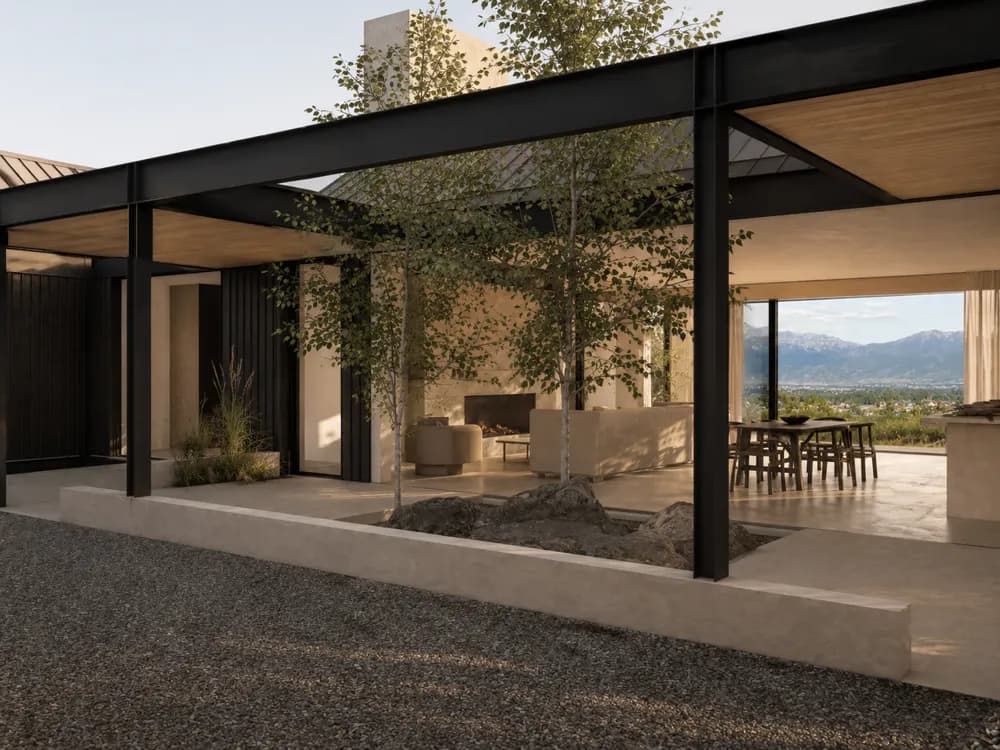
A home on Ridgeline Road
Clients always know where things stand.
Once they sign, your client gets a simple timeline of their project, with what happened this week and what comes next. Fewer “just checking in” emails, and a client who trusts the process.
- A timeline, not a dashboardConcept to construction, with the current phase marked.
- Your brand, not oursClients only ever see your studio's name.
- ConceptNow
- Schematic design
- Design development
- Construction documents
- Construction
Your work, posted while you're doing it.
Drop in photos from the site. March writes the caption in your voice, picks the day and puts it in Review. You approve it, and it goes out.
- Captions in your voiceLearned from what you've already posted.
- One week at a glanceInstagram and Facebook, planned and scheduled.


It drafts. You decide.
Other tools hand you a dashboard and leave the work to you. March does the work, then waits for you. It cannot email, post or charge anyone on its own. That is not a setting; it is how it is built.
The master builder, back in charge
March is built for the people who design buildings, and for everyone who helps them get built.
Take back the pricing, the schedule and the client relationship that construction managers squeezed out of the job.
Residential · Small commercial · Two to twenty peopleYou already price what you design. March keeps design, cost and schedule moving together, phase by phase.
Design + build · One contract or twoJoin through an architect's project and get the drawings, answers and tasks you need on your phone.
General contractors · SubcontractorsKeep the tools you already use
Model in whatever your studio models in, and bring the AI you already use. Everything else connects.
ModelingAsk Claude or ChatGPT where a project stands, what is waiting on you or what the Parks signed. Assistants can draft into Review too. Your team still approves what goes out.
Projects, contacts, estimates and invoices, open to your own scripts and agents. Build on March instead of around it.
Your questions, answered
Anything else, write to us.
What exactly is March?
One place to run an architecture studio, from the first inquiry to the final walkthrough: intake, a welcome series, estimates, proposals, signatures, payments, a client timeline and your marketing. It does the work of a project manager, marketer, office manager and bookkeeper, and you approve anything that leaves the building.
Will it send things without me?
No. Anything with your name on it arrives in Review as a finished draft. You read it, edit it if you want, and decide. Nothing is emailed, posted or charged until someone on your team says so.
Will my clients know I'm using it?
Only if you tell them. Proposals, emails and the client timeline carry your studio's name and nothing else. There is no “Powered by” anywhere a client looks.
Do I have to change how I model, or give up my calendar or bank?
No. Keep modeling in Revit, Archicad, SketchUp, Rhino, Vectorworks or Chief Architect, and March reads the model from there. Your calendar, email, Stripe and QuickBooks connect to it rather than being replaced.
We already use Claude or ChatGPT. Does March work with them?
Yes. March has an MCP server, so Claude, ChatGPT and other assistants can look up a project, check what is waiting on you and draft into Review, with your team still approving what goes out. Everything else is open through the API.
We're design-build, not just design. Is it for us?
Very much. Design-build firms were the first to use it, because they already price and schedule what they design. March is built to make that way of working easier for any studio.
Homes are made by people, for people.
March gives you back the time to make them.